

The Importance of Assistive Mobility
Assistive Mobility is the capacity to move and interact with your surroundings. It may be limited slowly, as in a condition like multiple sclerosis, or instantly, such as in an injury to the spinal cord or limb loss.
Assistive devices can assist people who have mobility issues succeed. But before you choose the right device it is essential to conduct a thorough assessment by a professional.
Human Assistance
Mobility aids help people with disabilities manage the impact of their limitations on their daily lives. They are available in different categories based on the needs of the person and range from basic equipment such as walking sticks and specially-designed cups to computer-specific software/hardware and motorized wheelchairs. Devices are also tailored to specific settings like school, home and community.
Many assistive technologies are not suitable for rural/remote regions and countries with low incomes. They must be matched with people's needs and environmental factors. Technology that is appropriate is simple, effective and affordable and rely on local techniques, tools and materials and are easy to maintain. They must be designed with people in mind and accessible to those who are disabled.
The selection of assistive technology is a complicated procedure, and it's crucial to work with a seasoned AT team. The team should consist of a variety of experts and professionals in the field, which include family physicians, regular and special education teachers rehabilitation engineers speech-language pathologists, occupational therapists and consultants from service organizations and manufacturers.
A competent assistive technology team will also include a person with disabilities. They can be a valuable source of information about assistive technology, and can help you in your decision-making. In addition, they can explain how the device works and give you an opportunity to try it out.
Koris, an individual who is deaf in the East Sepik Province of Papua New Guinea was fitted with ear molds as an example of suitable assistive technology. Koris was not able to send her daughter, who is deaf, to school due to her hearing loss. However, thanks to CBR workers from Callan Services for Disabled Persons who were trained in this field, she learned about schools for children who are deaf and was able to register her.
CBR programs can also be used to teach local artisans on the repair of small assistive devices. This can help reduce the need to travel long distances for repair and maintenance, which may discourage disabled people from using their devices. A national organization for disabled people in Lebanon for instance has set up production units and workshops for assistive devices and wheelchairs as along with repair and distribution centers across the country.
Navigation Apps
Navigating one's surroundings can be an issue for anyone, but this can especially pose a problem for visually impaired individuals. Blind people used to have to rely on other people when they needed directions. Now, there are a variety of navigation apps available that can assist them in their navigation with confidence. With features like GPS technology, audio descriptions, and adaptive functionality, these apps can open doors to unprecedented levels of accessibility and freedom.
Apps such as Google Maps and Commute Booster are among the most popular navigation tools on the market and offer a range of useful features that can be tailored to the individual's needs. The former, for instance provides offline functionality for the entire world that allows users to download maps of specific regions, without needing data to navigate. The alternative, however, provides real-time updates on public transportation schedules, routes and times, giving users to plan ahead and get to their destination earlier.
These apps are also designed to prioritize safety, ensuring that users are adhering to road regulations and taking the appropriate precautions on their travels. Some apps offer lane guidance to ensure that users are on the right side of the road. Some apps have voice-guided directions that can warn about upcoming obstacles or crossings for pedestrians. These apps can also save parked spots which can be especially useful for those who have difficulty remembering where they left their car.
Other features that can enhance user experience include multi-modal navigation, which enables users to plan and navigate across different landscapes using the flexibility of multiple modes of transport. Furthermore, some apps allow personalized preferences to be saved, allowing users to remove toll roads or certain regions from their journeys, creating a tailored experience that matches their the personal preferences of each user.
Many of these navigation apps use audio signals to inform users of their surroundings, with some offering tactile feedback via vibrations. They can also provide step-bystep instructions, which allow users to learn how to accomplish complex tasks with ease and confidence. This can help users build skills that will empower them to be self-sufficient, whether they're navigating a complex setting or going to work.
Complex Venues
Accessibility for mobility in large venues like stadiums or airports may seem like a daunting task initially. There are many ways to ensure that those with disabilities do not face any barriers when they visit public places. It is also essential to provide them with assistive devices that fit their profile and not the standard ones they might be offered at a store, or renting wheelchairs. CBR programmes can identify local artisans who are interested in making custom orthoses, and facilitate training.
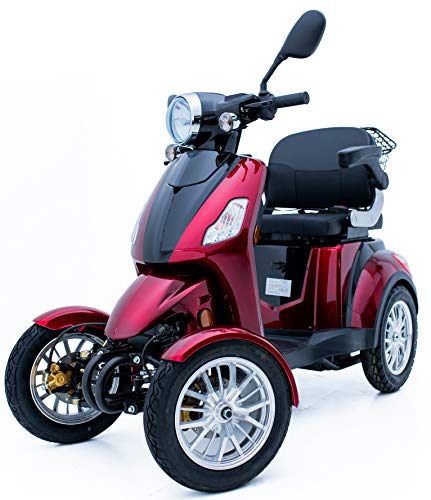
electric mobility scooters uk include accessible counters at checkout and information desks. Access to elevators and escalators is crucial and so are wide aisles that allow wheelchairs to turn or make a u-turn. In addition, indoor wayfinding apps like Evelity developed by Okeenea can be helpful in helping users with physical disabilities apprehend their environment and navigate it.
Freedom
In low- and middle-income countries, only 5-15% of people who need assistive technology have access to it. This is due to limited production capacity and limited resources. Additionally, a few people are not aware of the importance of assistive devices.
To ensure that the assistive equipment is appropriate for each person A thorough assessment is needed. This includes a medical history, review of current functioning physical examination, and a discussion of the individual's goals. This is crucial for the provision of power mobility as well as other types of assistive devices. Poor selection or fitting can lead to frustration, discomfort and other conditions such as pressure sores.
Assistive mobility is a method to allow a person to move freely around their environment. This includes home, school as well as work and community. This freedom is a right explicitly acknowledged in the section 6 of the Canadian Charter of Rights and Freedoms.
Assistive Mobility is a life changing tool that improves self-confidence and independence and helps to promote social inclusion. It can also enhance the quality of life and maintain or regain functional abilities. For many people who have suffered injuries or become disabled, assistive mobility allows them to return aspects of their lives that they had lost or never enjoyed.
Freedom Mobility provides transportation and mobility solutions for disabled veterans as well as first-responders. Freedom Mobility is backed and partnered with by national corporations and foundations who wish to help injured military and civilian heroes.
Additionally, Freedom Mobility is committed to providing a better experience for its customers by offering an individual-focused mobility outcomes tool that gives evidence of improvements in functional efficiency and allows regular follow-ups using a certified RESNA the ATP. The company is then able to take immediate preventative measures to reduce the risk of negative health effects, like skin breakdown or early pressure ulcers. lightweight electric mobility scooter means less downtime for clients more autonomy and the ability to remain active and engaged with their communities and work.